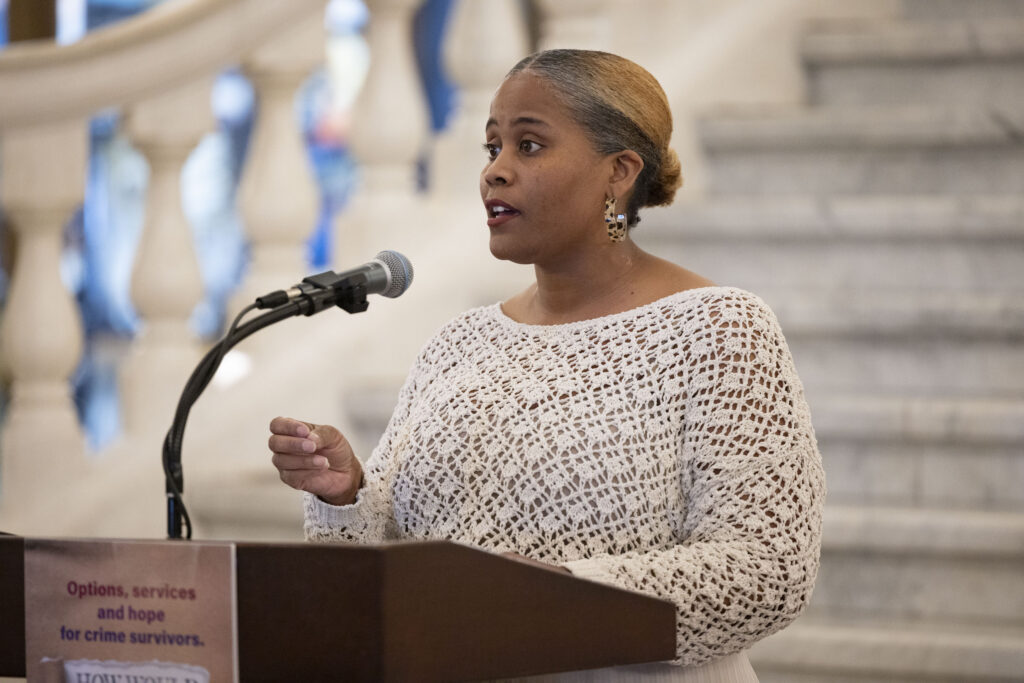
At a recent joint press conference with PCAR and PCADV, I stood among advocates from across Pennsylvania and held two feelings at once. Pride and frustration.
Pride in five decades of progress. Pride in the survivors, advocates, community leaders, and organizations who built one of the strongest networks of support for survivors of sexual violence and domestic violence in the country. Pennsylvania did not inherit that network. We built it.
And frustration. Because after decades of leadership and innovation, we were standing at a podium pleading with our legislators to adequately fund the very services that save lives, support healing, and help communities thrive.
As I listened to speakers share stories of impact and concern, I realized that what I was feeling reflected something much bigger than one budget fight.
This year, America turns 250 years old. It has been only 161 years since the last enslaved Black Americans learned they were free. I hold those two milestones in the same breath, because that is how I experience both Pennsylvania and America. As a Black woman. A mother and grandmother. A leader. The daughter of an Air Force veteran. As our nation approaches its 250th birthday, I am sitting with pride, gratitude, frustration, and grief all at once. Maybe that is why Pennsylvania’s current moment feels so personal to me. I have spent my life watching people sacrifice for something larger than themselves. The question that keeps weighing on me is whether our institutions are willing to do the same.
My connection to America runs through my family. My father served in the Air Force, and we lived in five different states while I was growing up. Military service opened doors for our family. It also came with costs. Years away from extended family. Missed birthdays, reunions, and the small moments that hold a family together. I watched my uncle grieve the loss of his son during Desert Storm. I watched another carry the invisible wounds of Vietnam long after his time in uniform ended. Those experiences taught me that patriotism is not simply about celebration. It is about sacrifice, responsibility, and a promise to leave things better than we found them.
Keeping that promise means telling the truth about our history. And telling the truth about our history means telling the truth about sexual violence. For most of America’s 250 years, this country did not treat sexual violence as the crime we know it to be. For generations, the law treated survivors as suspects, questioning their character, their clothing, and their credibility before questioning the people who harmed them. Well into living memory, a husband could not be charged with raping his wife in much of this country. Marital rape was not a crime in all 50 states until 1993. For two centuries, survivors were disbelieved in courtrooms, blamed in newspapers, and hushed at kitchen tables.
And still, survivors built something. In the early 1970s, survivors and advocates who had every reason to stay silent opened the nation’s first rape crisis centers, working out of borrowed offices and church basements, answering hotline calls at their own kitchen tables.
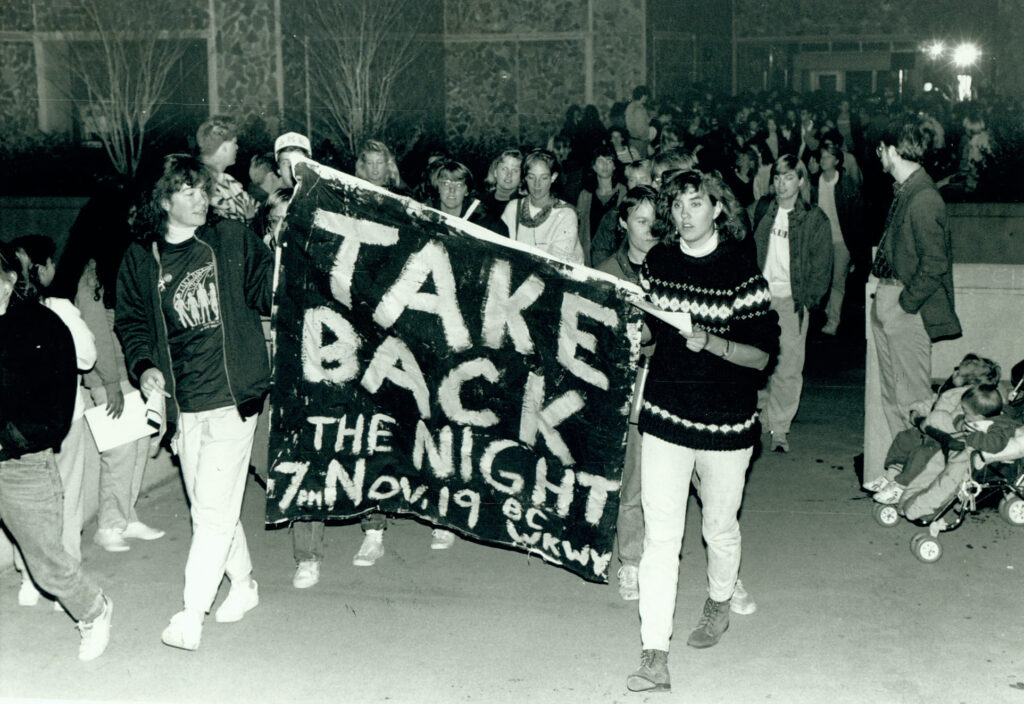
Pennsylvania led the way. In 1975, advocates here founded the Pennsylvania Coalition Against Rape, the first state coalition of its kind in the nation. That movement kept growing until it reshaped the nation’s laws, and the Violence Against Women Act of 1994 stands as proof of what survivors made this country confront. The network we are now fighting to fund was born from that courage.
Pennsylvania has never been perfect. But Pennsylvania has often been brave. Brave enough to lead. Brave enough to confront difficult truths. Brave enough to create protections for survivors before many other states were willing to try. That courage is part of our identity. Which is why it is so painful to watch programs struggle and advocates fight, year after year, for resources that should never be in question.
The American story has never been about arriving. It has always been about becoming. And becoming is not free. Every generation must decide whether it will invest in the values it claims to hold. Today, that question is being asked of Pennsylvania. It is being asked of our nation. It is being asked of all of us.
Every day, I have the privilege of working alongside people who believe that communities can be safer, that survivors deserve support, and that prevention is possible. We work toward a future where everyone can live free from sexual violence. At its core, that work is the American story. It is the work of closing the gap between what we say we value and what we actually do. The work of making freedom, safety, dignity, and opportunity real for everyone, not just some.
So as our nation celebrates 250 years, I keep asking what kind of legacy we are building for the next generation. Will we invest in the services that help survivors heal? Will we strengthen the community organizations people turn to on the worst day of their lives? Will we fund prevention so that violence never happens in the first place? Will we stand with those whose voices are too often ignored? Or will we let progress stall while the need keeps growing?
I ask these questions because I know what leadership looks like when we choose courage over comfort. And I ask them because our communities deserve better than a false choice between celebrating our history and telling the truth about it. We must do both.
As a Black woman in leadership, I have learned that holding two truths at the same time is not a weakness. It is a necessity.
I can honor the labor of enslaved people and name the injustice they endured. I can celebrate America’s progress and grieve the pain woven through its history. I can be grateful for the doors that opened for me and spend my life holding them open for those who come after. I can love this country and still require it to do better.
Maybe that is what this 250th anniversary should really be about. Not a celebration of perfection. Not a denial of the past. A recommitment to the unfinished work. Freedom is not finished. Safety is not finished. Justice is not finished. And the question before all of us is whether we are willing to keep becoming a nation where those things belong to everyone.